

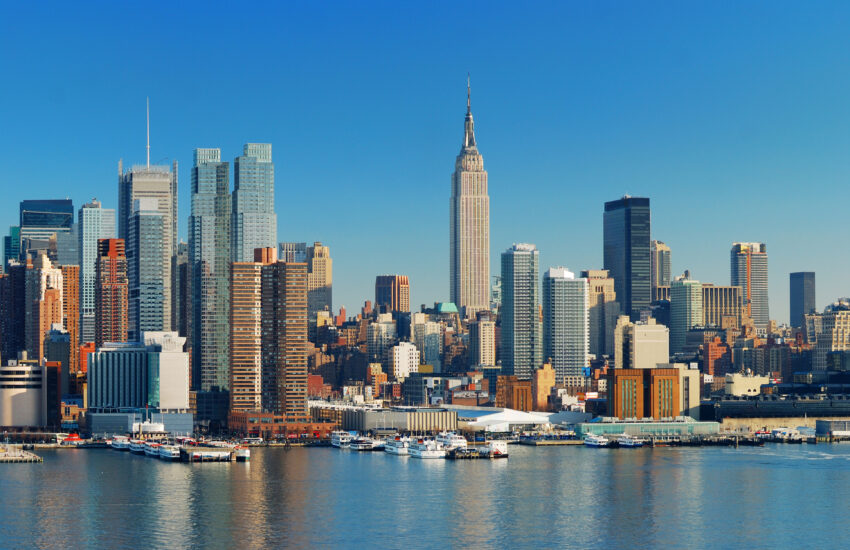
Studying in the United States remains a top aspiration for students worldwide, including those from India. USA remains a premier destination for international students, offering unparalleled academic opportunities, diverse cultural experiences, and a pathway to global careers. As of the 2023–24 academic year, over one million international students chose the U.S. for higher education, drawn by its world-class institutions and vibrant campus life. Despite recent policy shifts, the U.S. continues to offer unparalleled academic opportunities, cutting-edge research facilities, and a multicultural environment that fosters personal and professional growth. This comprehensive guide delves into the myriad reasons why the U.S. stands out as a premier destination for higher education in 2025.
Why Choose the U.S. for Higher Education?
U.S. universities are renowned for their academic rigor and innovative research. Institutions like MIT, Stanford, and Harvard consistently rank among the top globally, offering a wide array of programs across disciplines. Whether you’re interested in engineering, business, arts, or sciences, the U.S. provides flexible curricula that allow students to tailor their education to their interests and career goals
1. World-Class Universities
The U.S. boasts over 3,800 accredited institutions, including globally renowned universities like Ivy League universities like Harvard, Princeton, Brown, Columbia, Yale, Cornell and non-Ivy League universities like MIT, and Stanford. These institutions are celebrated for their rigorous academic programs, distinguished faculty, and state-of-the-art research facilities. For instance, MIT and Stanford consistently rank among the top universities worldwide, offering programs that are at the forefront of innovation and technology.
2. Diverse Academic Programs
U.S. universities offer a vast array of programs across disciplines. Whether you’re interested in liberal arts, engineering, business, or emerging fields like data science and artificial intelligence, there’s a program tailored to your interests. The flexibility of the U.S. education system allows students to explore various subjects before declaring a major, fostering a well-rounded academic experience.
3. Cutting-Edge Research Opportunities
The U.S. is a global leader in research and innovation. Students have access to extensive research opportunities, often collaborating with leading experts in their fields. Institutions like Johns Hopkins University and the University of California, Berkeley, are renowned for their research contributions, providing students with hands-on experience that is invaluable in today’s competitive job market.
4. Cultural Diversity and Inclusion
Studying in the U.S. offers more than just academic growth; it’s an opportunity to immerse yourself in a multicultural environment. Campuses in the US are a melting pot of cultures, offering international students a chance to experience diverse perspectives and traditions. This multicultural environment not only enriches the academic experience but also prepares students to thrive in a globalized world. Universities often have dedicated offices to support international students, ensuring a smooth transition and integration into campus life.
Work Opportunities for International Students
1. On-Campus Employment
International students on an F-1 visa are permitted to work up to 20 hours per week on campus during academic sessions and full-time during breaks. These positions, ranging from research assistants to library aides, provide valuable work experience and help offset living expenses.
2. Optional Practical Training (OPT)
International students on an F-1 visa can gain practical work experience through Optional Practical Training (OPT). OPT allows F-1 students to work in their field of study for up to 12 months post-graduation. Students in STEM (Science, Technology, Engineering, and Mathematics) fields may be eligible for a 24-month extension, totaling 36 months of work authorization. This practical experience is instrumental in applying academic knowledge to real-world scenarios and can pave the way for long-term employment opportunities in the U.S.
Understanding the Cost of Living
Living expenses in the U.S. can vary significantly based on location, lifestyle, and housing choices. The cost of living varies across the U.S., with urban areas like New York and San Francisco being more expensive. On average, international students can expect to spend between $10,000 to $25,000 per year on living expenses, including accommodation, food, transportation, and personal expenses.
Breakdown of Monthly Expenses:
- Accommodation: $400 – $1,500
- Food: $250 – $600
- Utilities (Electricity, Internet, etc.): $100 – $200
- Transportation: $50 – $150
- Miscellaneous (Books, Entertainment): $100 – $300
Cities like New York, San Francisco, and Boston tend to have higher living costs, while smaller towns and cities offer more affordable options.
Admission Requirements and Standardized Tests
Admission requirements differ among institutions, but generally include:
- Academic transcripts
- Standardized test scores (e.g., SAT, GRE, GMAT)
- English proficiency tests (e.g., TOEFL, IELTS)
- Letters of recommendation
- Statement of Purpose or Essays
- Extra-curricular achievements
1. English Language Proficiency
Non-native English speakers are typically required to demonstrate proficiency through standardized tests such as:
- TOEFL (Test of English as a Foreign Language)
- IELTS (International English Language Testing System)
- PTE (Pearson Test of English)
Minimum score requirements vary by institution and program.
2. Standardized Tests
Depending on the program and university, students may need to submit scores from tests like:
- SAT or ACT: For undergraduate admissions.
- GRE (Graduate Record Examination): For graduate programs.
- GMAT (Graduate Management Admission Test): For business and management programs.
It’s essential to check specific requirements for each institution, as some programs have adopted test-optional policies.
Scholarships and Financial Aid
While studying in the U.S. can be expensive and financing education can be challenging, numerous scholarships and financial aid options are available for international students. These can be merit-based, need-based, or specific to certain fields of study. Early application and thorough research can increase your chances of securing financial support.
In addition to the institutional academic scholarships, here are some notable Scholarships for Indian Students:
- Fulbright-Nehru Master’s Fellowships: For outstanding Indian students pursuing master’s degrees in the U.S.
- Inlaks Shivdasani Foundation Scholarships: For exceptional students in various fields.
- Tata Scholarships for Cornell University: For Indian undergraduate students admitted to Cornell.
- Stanford Reliance Dhirubhai Fellowship: For Indian students pursuing MBA at Stanford Graduate School of Business.
Early application is crucial, as many scholarships have strict deadlines and require extensive documentation.
Overview of the U.S. Education System
The U.S. education system is known for its flexibility and diversity, offering various pathways to higher education:
- Community Colleges: Two-year institutions offering associate degrees and certificates.
- Liberal Arts Colleges: Focus on undergraduate education in arts and sciences.
- Research Universities: Offer undergraduate, graduate, and doctoral programs with a strong emphasis on research.
Students can choose from a wide range of majors and have the flexibility to change their field of study, promoting interdisciplinary learning.
Emerging Fields and In-Demand Courses
As the global job market evolves, certain fields have seen increased demand:
- Computer Science and Artificial Intelligence: With the tech industry’s rapid growth, skills in AI, machine learning, and software development are highly sought after.
- Data Science and Business Analytics: Organizations rely on data-driven decisions, making expertise in data analysis invaluable.
- Healthcare and Public Health: The ongoing global health challenges have highlighted the importance of healthcare professionals.
- Environmental Science and Sustainability: Addressing climate change and sustainability issues is a priority worldwide.
Top universities offer specialized programs in these areas, equipping students with the skills needed for the future workforce.
Navigating the Student Visa Process
To study in the U.S., international students must obtain an appropriate visa:
- F-1 Visa: For academic studies.
- J-1 Visa: For exchange programs.
- M-1 Visa: For vocational or non-academic programs.
Application Steps:
- Obtain Form I-20 or DS-2019 from your U.S. institution.
- Pay the SEVIS fee and complete the DS-160 visa application form.
- Schedule and attend a visa interview at the U.S. embassy or consulate in your country.
Ensure you have all necessary documentation, including financial statements, academic records, and standardized test scores.
Conclusion
Embarking on an educational journey in the United States offers unparalleled opportunities for academic excellence, cultural enrichment, and personal growth. By understanding the landscape of U.S. higher education, preparing diligently for admissions, and leveraging available resources, students can make informed decisions that pave the way for a successful future. Despite recent challenges, the U.S. remains a beacon for international students aspiring to make a global impact.
For personalized guidance on studying in the U.S., including university selection, application assistance, and visa processing, contact Neptune Educational Consultants. Our experienced team is dedicated to helping you achieve your academic aspirations abroad.
